Furnace and Heat Pump Installation in Glendora and the San Gabriel Valley
Jet Air Solutions installs properly sized gas furnaces, all-electric heat pumps, and matched heating systems throughout Glendora and the San Gabriel Valley. Every recommendation begins with a Manual J load calculation and an evaluation of the home, existing ductwork, electrical capacity, comfort goals, and compatible indoor and outdoor equipment. We handle permits, installation, startup testing, and the final walkthrough, with high-efficiency options including 80% and 96%+ AFUE furnaces and variable-capacity heat pumps. C-20 licensed and insured. Call (626) 347-6462 for an installation estimate.
What's Included with Heater Install
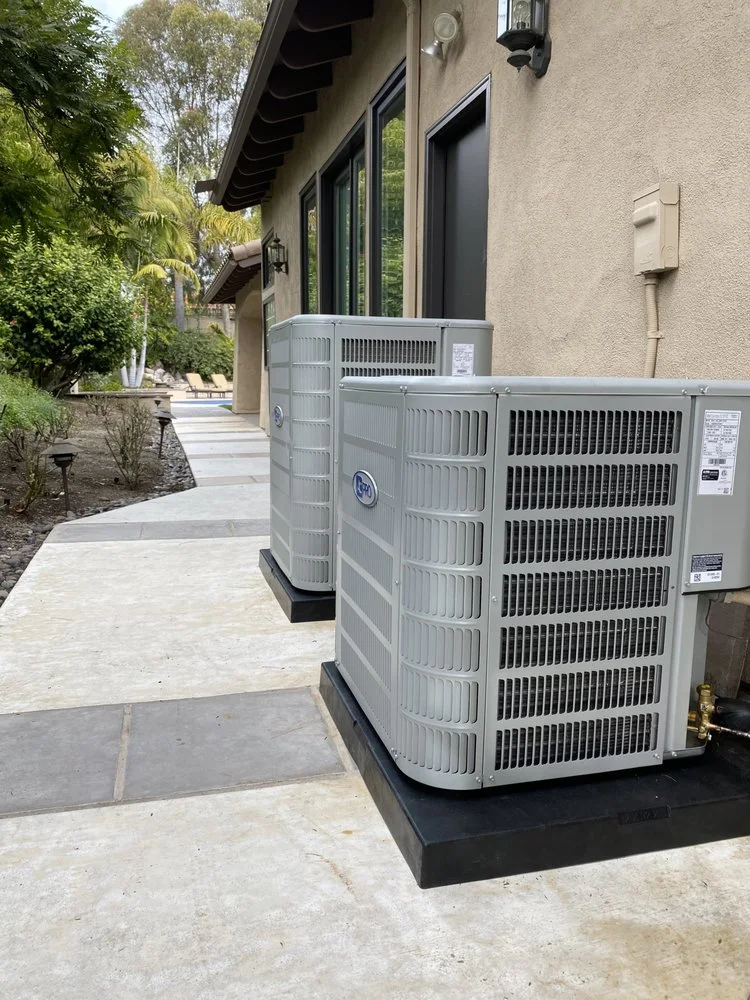
Every install starts with a full home evaluation and a Manual J load calculation, then a review of your existing ductwork, electrical service, gas connection, and venting before we match equipment to the home. From there we handle permits, removal of the old system, professional installation, startup and safety testing, and a complete homeowner walkthrough so you understand exactly how your new furnace or heat pump works.
- Manual-J load calculations — sized to your home, not guessed
- Permits pulled and inspections passed — no shortcuts
- High-efficiency single-stage, two-stage, or variable-speed options
- Boot covers, drop cloths, and a clean job site every time
- Workmanship guarantee on every install
Heating Installation Sized for Your Home
A replacement heater should not automatically match the capacity of the equipment being removed. The previous system may have been oversized, the home may have changed, or the original installation may never have been calculated correctly. Jet Air Solutions uses a Manual J load calculation to estimate the home's actual heating demand based on square footage, insulation, windows, orientation, air leakage, occupancy, and local winter conditions.
Correct sizing affects comfort, efficiency, noise, and equipment life. An oversized furnace may cycle on and off too frequently, while an undersized system may run continuously and still leave rooms cold. Heat pumps also depend on proper sizing and equipment matching to deliver efficient heating during colder weather.
Our Heating Installation Process
Measure first, explain the options, install cleanly, and verify safe operation.
Home and system evaluation
Inspect the existing equipment and discuss cold rooms, cycling, noise, energy use, repair history, air quality concerns, and future plans for the home.
Manual J load calculation
Calculate the home's actual heating demand rather than copying the capacity of the old furnace or heat pump.
Equipment recommendations
Compare appropriately sized furnace, heat pump, and dual-fuel options, then explain efficiency, comfort, sound, electrical, and budget tradeoffs.
Written proposal and financing
Provide a written scope that identifies the equipment, installation work, warranty information, available financing, and expected schedule.
Permits and preparation
Coordinate permits and inspections, confirm equipment availability, and explain what the homeowner should prepare before installation day.
Removal and installation
Protect the work area, remove the old system, complete the installation, and keep the job site orderly.
Startup and safety verification
Test airflow, controls, temperature rise, gas and venting safety where applicable, heat-pump operation, drainage, and overall performance.
Final walkthrough
Show the homeowner how to operate the thermostat and system, then provide maintenance, warranty, and inspection information.
Furnace, Heat Pump, or Dual-Fuel System?
80% AFUE gas furnace
Lower upfront cost and simpler venting in many replacement situations. It uses more fuel than a condensing furnace and requires an approved venting path.
96%+ AFUE gas furnace
Higher fuel efficiency and sealed-combustion options. Installation may require condensate drainage and new venting materials.
All-electric heat pump
Provides both heating and cooling without on-site gas combustion. A strong option for solar homes and homeowners seeking electrification. Electrical capacity and cold-weather performance must be evaluated.
Dual-fuel system
Pairs a heat pump with a gas furnace. The heat pump handles milder weather, while the furnace can take over when conditions or utility costs make gas heat preferable.
The best option depends on the home's load, ductwork, electrical capacity, fuel availability, solar production, comfort goals, utility rates, budget, and expected ownership period.
Understanding AFUE and Heat Pump Efficiency
AFUE describes how much of a furnace's fuel becomes usable heat over a season. An 80% AFUE furnace converts about 80% of the fuel into heat, while a 96% AFUE furnace converts a larger share and loses less through exhaust. Heat pumps are measured differently, using ratings such as HSPF2 for heating efficiency and SEER2 for cooling efficiency. These ratings are useful, but equipment must still be properly sized, matched, installed, and commissioned to deliver the expected performance.
What Affects Heating Installation Cost?
Rather than a universal price, these are the variables that change the quote:
- Manual J results and required heating capacity
- Furnace, heat pump, or dual-fuel equipment selection
- Efficiency level, staging, and variable-capacity features
- Whether the indoor coil, air handler, outdoor unit, or thermostat must also be replaced
- Condition, leakage, and size of the existing ductwork
- Electrical-panel capacity, breakers, disconnects, wiring, or new circuits
- Gas-line, shutoff, venting, combustion-air, or condensate requirements
- Equipment location, attic or crawlspace access, crane needs, and removal difficulty
- Permit and inspection requirements
- Manufacturer warranty, labor coverage, financing, rebates, and available tax incentives
The only useful installation price is one based on your home, the selected equipment, and the work required to install it safely. Jet Air provides a written estimate that explains the system, scope, and options before installation is scheduled. Ask about financing options when you request your quote.
Signs It May Be Time to Replace Your Heater
- The system requires frequent or increasingly expensive repairs
- The heat exchanger, compressor, or other major component has failed
- Heating is uneven after airflow and duct issues are evaluated
- The system short-cycles, runs constantly, or cannot maintain the set temperature
- Fuel or electricity use has increased noticeably
- The furnace or heat pump is excessively noisy
- The existing equipment is improperly sized or poorly matched
- The homeowner wants air conditioning plus heating from one heat-pump system
- The homeowner is adding solar or planning to reduce natural-gas use
Not sure whether to repair or replace? A smart heating repair is often the right call, and we will tell you honestly. If you want heating and cooling from one system, ask about a matched heat-pump installation, and we can walk you through financing if you need it.
Why Homeowners Choose Jet Air Solutions
We size systems with a real Manual J calculation instead of guessing, pull the required permits, and keep a clean worksite with boot covers and drop cloths on every job. Jet Air Solutions is licensed and insured, backs installs with a written workmanship guarantee, and installs equipment from trusted manufacturers. We show you original project photos, walk you through the system before we leave, and stand behind the work long after the crew drives away.
Frequently Asked Questions
How do you determine what size furnace or heat pump my home needs?
Should I install a gas furnace or an electric heat pump?
What is the difference between an 80% and a 96% AFUE furnace?
Can a heat pump keep my home warm in the San Gabriel Valley?
How long does a heating system installation take?
Do I need a permit for a new furnace or heat pump?
Can you install a heat pump if I already have solar panels?
Will you inspect my ductwork before recommending a system?
What warranties come with a new heating system?
Do you offer financing for furnace or heat pump installation?
Heater Install by City
We serve all of the San Gabriel Valley. Pick your city for local details.
Need Heater Install?
Call Joe directly. Honest answers, fair pricing, fast response.
(626) 347-646224/7 Emergency Service · Licensed & Insured